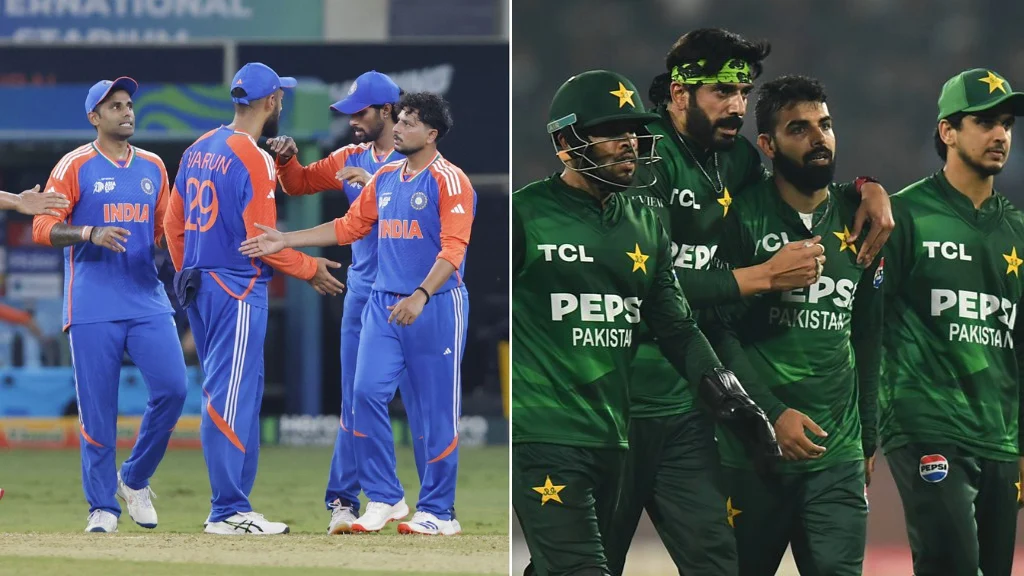
IND vs PAK Controversy: The controversy surrounding the highly anticipated IND vs PAK clash in the T20 World Cup 2026 has taken a new turn. What initially looked like a firm stand by Pakistan to boycott the match now appears to be more of a negotiation tactic than a final decision. With the February 15 India vs Pakistan match scheduled to be played in Colombo, efforts to break the deadlock have intensified behind closed doors.
ICC and PCB Important Meeting in Lahore
On February 8, a crucial late-night meeting was held in Lahore between senior officials of the International Cricket Council and the Pakistan Cricket Board. The meeting was attended by ICC Deputy Chairman Imran Khwaja, while the PCB hosted the discussion. Bangladesh was also invited to the table, with Bangladesh Cricket Board President Aminul Islam representing his country. The main agenda of the meeting was the growing uncertainty around the India-Pakistan match and its wider impact on the tournament.
Sources suggest that the discussion went on for several hours, indicating how serious the issue has become for the ICC. The India-Pakistan game is not just another group-stage match but one of the biggest revenue generators of any ICC tournament.
Pakistan Puts Three Major Demands
According to media reports, the PCB used this opportunity to place three major demands before the ICC. The first demand was a higher share in tournament revenue, arguing that Pakistan is a key stakeholder in marquee matches like IND vs PAK. The second demand focused on the resumption of bilateral cricket between India and Pakistan, which has been suspended for years due to political tensions. The third demand was related to enforcing a post-match handshake protocol, something Pakistan claims is important for maintaining the spirit of the game.
However, experts point out that bilateral series do not fall under ICC jurisdiction, making this demand largely symbolic. Similarly, handshake protocols are not mandatory under ICC playing conditions, which weakens Pakistan’s position on this front.
Also Read:- TATA New Electric Cycle at just ₹5999 comes with 400 km range, 720W Mega Motor, AI Features
Bangladesh Angle Adds Fuel to the Fire
The roots of this entire controversy trace back to Bangladesh. The Bangladesh Cricket Board had earlier refused to play its T20 World Cup matches in India, citing security concerns and requesting a venue change. The ICC rejected this request, following which Bangladesh was removed from the tournament and replaced by Scotland. This decision sparked backlash within Asian cricket circles.
Pakistan then stepped in to support Bangladesh, announcing that it would not play against India in Colombo as a protest. This move escalated the situation and put the ICC under pressure just weeks before the tournament.
Sri Lanka Voices Strong Objection
Sri Lanka, the host of the India-Pakistan match, has also expressed strong displeasure over the boycott threat. Sri Lankan authorities have warned that cancellation of the IND vs PAK game could result in massive losses for tourism and the hospitality industry. Hotels, airlines, and local businesses were counting heavily on the influx of fans for this blockbuster clash.
Sri Lanka also reminded Pakistan of a difficult phase in its cricketing history when many teams refused to tour the country. It highlighted how Sri Lanka played a crucial role in helping Pakistan revive international cricket at home.
What Lies Ahead for the IND vs PAK Match
While Pakistan’s public stance suggests resistance, the demands raised in the ICC meeting clearly indicate a willingness to play, but on negotiated terms. For the ICC, finding a middle ground is critical, as the India-Pakistan match remains the biggest attraction of the T20 World Cup 2026. Whether this controversy ends in compromise or further chaos will become clear in the coming days, but one thing is certain: the cricket world is watching closely.
1 thought on “IND vs PAK Controversy: Is the Match Boycott Just a Drama Ahead of T20 World Cup 2026”